
Stefan Ried
July
4
2022
Gründung mit Schwung
- LOCATED IN Activity
Heute habe ich meinen LinkedIn-Status von “Verdecktem Startup” zu “Founder & Managing Partner” von Atlantic Ventures geändert. Nachdem ich einige Wochen lang im Stealth-Modus gearbeitet und mich gefragt habe, was ich tun möchte und was “der Planet” braucht, freue ich[…]
July
4
2022
Start a Company with a Merger
- LOCATED IN Activity
Today, I’ve changed my LinkedIn status from “Stealth Startup” to “Founder & Managing Partner” of Atlantic Ventures. After I’ve been working in stealth mode for a few weeks and wonder, what I’d like to do and what “the planet” needs[…]
February
5
2021
Cloudflight Research Page
- LOCATED IN Activity
Hello, Meanwhile the boutique analyst firm Crisp Research fully merged into the new digital innovation company Cloudflight at a total size of 400 strategists and cloud native developer. There is a lot of interesting research around digital innovation, cloud native[…]
November
12
2020
Crisp Research merged into Cloudflight
- LOCATED IN Activity
Hello, I’ve published quite some reports and shorter analyst view since April 2017 when I’ve joined Crisp Research. The research firm has been a successful and independent industry analyst firm in Germany since 2014. We’ve always focused on emerging technologies[…]
April
21
2017
My Crisp Research Blog Space is on!
- LOCATED IN Activity
All professional blog posts as part of my official coverage – IoT and Cloud – appears on the Crisp Research page: Crisp Research has an open research model. Basically all professional reports are available at NO CHARGE. Check it out! Nevertheless, exciting[…]
March
15
2017
It’s been January 2015, when I joined Unify as CTO and today is my last day. After being an globally acting analyst at Forrester Research for 7 years, I thought it was a good idea to jump on the vendor side[…]
March
12
2016
I saw today the blog by Michael Kroker pointing to the evolution of the digital experience at a typical desk. Source: Best Reviews (Animation) and Tim Weber (GIF) It’s quite impressive how physical assets like books, calendars, cameras, fax machines, …, are just[…]
April
29
2015
You might wonder what I did since I left Forrester and became Unify’s CTO. Unfortunately, I had not much time to blog and share ideas in the last couple of weeks, but i did play with the Klick hier games[…]
CV
Ideas
2023

Since 7/2022
Atlantic Ventures is Germany’s first Corporate Innovation and Digital Venture Builder with clear sustainability focus. Together with Carlo Velten and Jens Kocab, we created this new strategy and technology services firm with the purpose to help companies to innovate around greentech, smart energy, electric vehicles, smart building and improving their sustainability in general.
2019

1/2020 – 5/2022
Crisp Research merged into a new company named Cloudflight.io. In addition to publishing market research and strategic technology advisory, I was responsible for Cloudflight’s market strategy. The assessment of acquisition targets led to three acquisitions end of 2021 and beginning of 2022. Cloudflight grew from below 300 to 1000 employees, organically and through these acquisitions.
2017

4/2017 – 5/2022
Back to an analyst role covering the IoT space and general cloud infrastructure, platforms and business models. Helping users driving their digitalization strategy.
2016

1/2015 – 3/2017
Head of Technology Strategy and CTO of Unify’s Product House. Helping Unify to drive and leverage the latest technology trends in cloud, Platform as a Service (PaaS), and the Internet of Things.
Since 2016 also member of the ATOS Scientific Community, the research and innovation think tank of the ATOS group.
2014

1/2008 – 12/2014
Responsible as Principal Analyst for the software platform research of Forrester’s Business Technology team. Main focus is cloud computing platforms, as well as traditional middleware and enterprise architecture. See my profile on the official Forrester page.

1/2014 – 12/2014
Vice President at Forrester Research, mainly writing for CIOs about internet of things, software platforms including cloud platforms and emerging business models such as cloud broker.
2008

6/2005 – 1/2008
Responsible for Product Management and product strategy of the SOA Integration – Product Division, formerly Crossvision, now webMethods.
7/2004 – 1/2005
Responsible for the Product Management of SAP’s technology platform Netweaver. Working for Shai Agassi.
2004

3/2002 – 6/2004
Managing the System Architecture Division of the company with projects across DHL and Deutsche Post. The system architecture team was a group of the 25 most skilled consultant which provided also governance, knowledge transfer and re-usability of logistics-IT solutions to the portfolio of the company.

11/2001 – 6/2004
Responsible as a Director “Bereichsleiter” of of the portfolio management of all IT services and solutions. DP IT Solutions has been the application development spin-off of Deutsche Post World Net with more than 1200 employee and 225 million revenue. It is now part of DHL’s IT Services again.
2001
1/2001 – 6/2001
Responsible for the overall product delivery of the company including the product marketing team as well various development locations in Germany, UK and India. Responsible for the company positioning and strategy in cooperation with two other executives and the marketing team. Softlution has been an eCRM start-up in the years 1998 to 2001.

7/2001 – 10/2001
Independent strategy consultant. Working for Deutsche Telekom and other tech firms in Germany.
2000

1998-1999
Responsible for the global product management of INTERSHOP’s first high-end product line “INTERSHOP Enterprise”, dedicated to large customers and the BIG 5 system integrators. Creation of technology partnership between INTERSHOP and SAP.

1999-2000
Globally responsible for analyzing and determining the impact of new technology on upcoming business models. Acting as the communication bridge between Engineering and Marketing. Public and individual presentations for analysts and key customers. Creation of Sales tools, online demonstrations facilities. Preparation of the market introduction of INTERSHOP enfinity with the first “early adopters”.

1997-1998
Responsible for building a pre sales engineering group at INTERSHOP Communication Europe. Focused on technical consulting before the major license sales, including configuration and customization issues. Special target at large enterprises and the use of INTERSHOP technology in conjunction with ERP systems. Customers like BOSCH, Hewlett Packard, Wer Liefert Was.
1997
1994-1997
Lead Development of an early CRM Software for car dealers, installed at about 100 big car dealers including Daimler-Benz, BMW, Volkswagen and Porsche dealers. This was done with the Ried&Partner Consultancy, a company of the Eurotax Holding AG.

Worked at the Max Planck Institut Mainz, Germany with super computers (Cray) and parallel computers on pattern forming and chaos phenomena in liquid crystals and received a promotion to Dr. rer. nat. by the University of Essen at the magna cum laude grade in October 1997.
1966
Background
Education
1993-1997
PhD in physics from the Max Planck Institute of Polymer Science in Mainz, Germany, on the simulation of pattern-forming liquid crystals. Use of super computers like Cray T3E and Dec Alpha Servers. Numerous publications in global physical journals.
1987-1993
Study of physics at the universities of Stuttgart and Essen, Germany. Degree of Diploma with “sehr gut” in 1993.
Hobby:
Motorcycle (KTM Adventure), Skiing, Home Automation, Electronics.
Public Speaking
You are welcome to request a speech or keynote by me.
Bio and Speaker Information – English
Dr. Stefan Ried, Principal Analyst, IoT Practice Lead, Cloudflight
Dr. Stefan Ried – IoT Practice Lead & Principal Analyst at the digital innovation company Cloudflight. The previous Crisp Research merged into Cloudflight. Stefan is responsible for the research and consulting activities covering IoT Management Software and modern platform architectures. He joined Crisp Research in April 2017 from Unify where he has been global CTO. At the communication and collaboration technology vendor Unify, Stefan drove technology innovation in both the traditional Openscape Communications product family, and in the leading-edge collaboration cloud Circuit. He acquired previously at Forrester Research from 2008 to 2014 deep knowledge of the middleware software and cloud market. He spent more than 20 years in leading engineering and product management and product marketing roles at international software vendors such as SAP and Software AG. Stefan published and consulted end users and vendors on product and M&A strategies, portfolio development, the investment in emerging technology to improve business results, and their general business models. Stefan holds a Ph.D. of theoretical and computational physics by the Max Planck Institute in Germany.
Bio and Speaker Information – German
Dr. Stefan Ried, Principal Analyst, IoT Practice Lead, Cloudflight
Herr Dr. Ried ist IoT Practice Lead & Principal Analyst beim digital Innovator Cloudflight (vormalig Crisp Research). Er treibt Marktforschung und berät Anwender und Hersteller im Bereich IoT und Cloud Computing Technologies und Geschäftsmodellen. Herr Ried kam im April 2017 zu Crisp Research vom Kommunikations- und Kollaborations-Software Hersteller Unify, wo er CTO war. Zuvor verantwortete Stefan Ried von 2008 bis 2014 beim Analystenhaus Forrester Research den globalen Bereich Plattformstrategien. Er hat fundierte Kenntnis des Cloud- und Integrations-Marktes aus 20 Jahren Erfahrung in leitenden Positionen in der Software Entwicklung, dem Produkt Management und dem Produkt Marketing bei internationalen Herstellern. Herr Ried publizierte und beriet Hersteller zu ihren Produkt- und M&A-Strategien sowie CIOs zum Wandel ihrer Rolle. Vor der Aufnahme seiner Tätigkeit als Analyst war er unter anderem CTO eines deutschen Software Start-Up, hatte als Senior VP das Produktmanagement für SAP‘s Netweaver Plattform geleitet und hat bis Ende 2007 die Middleware-Produkte der Software AG verantwortet. Herr Ried hat am Max Planck Institut in Mainz in Physik promoviert.
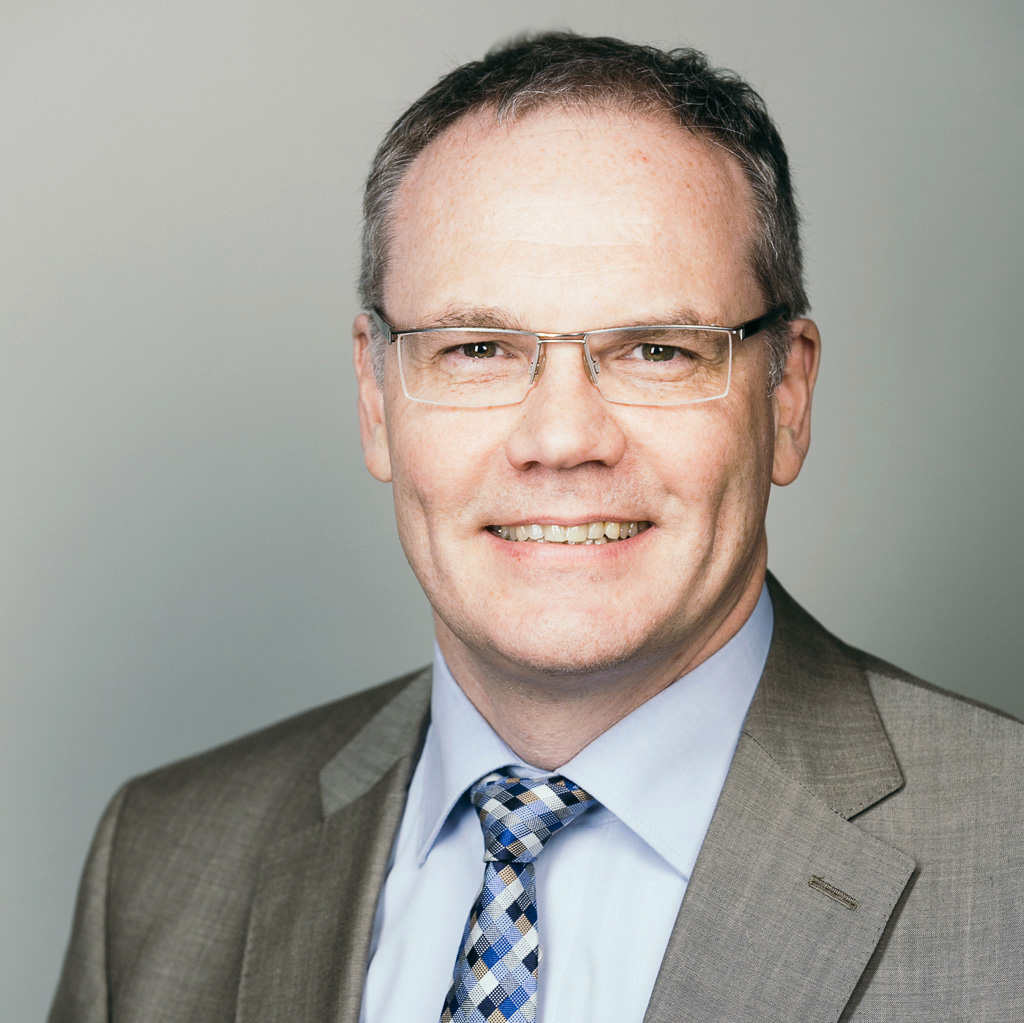
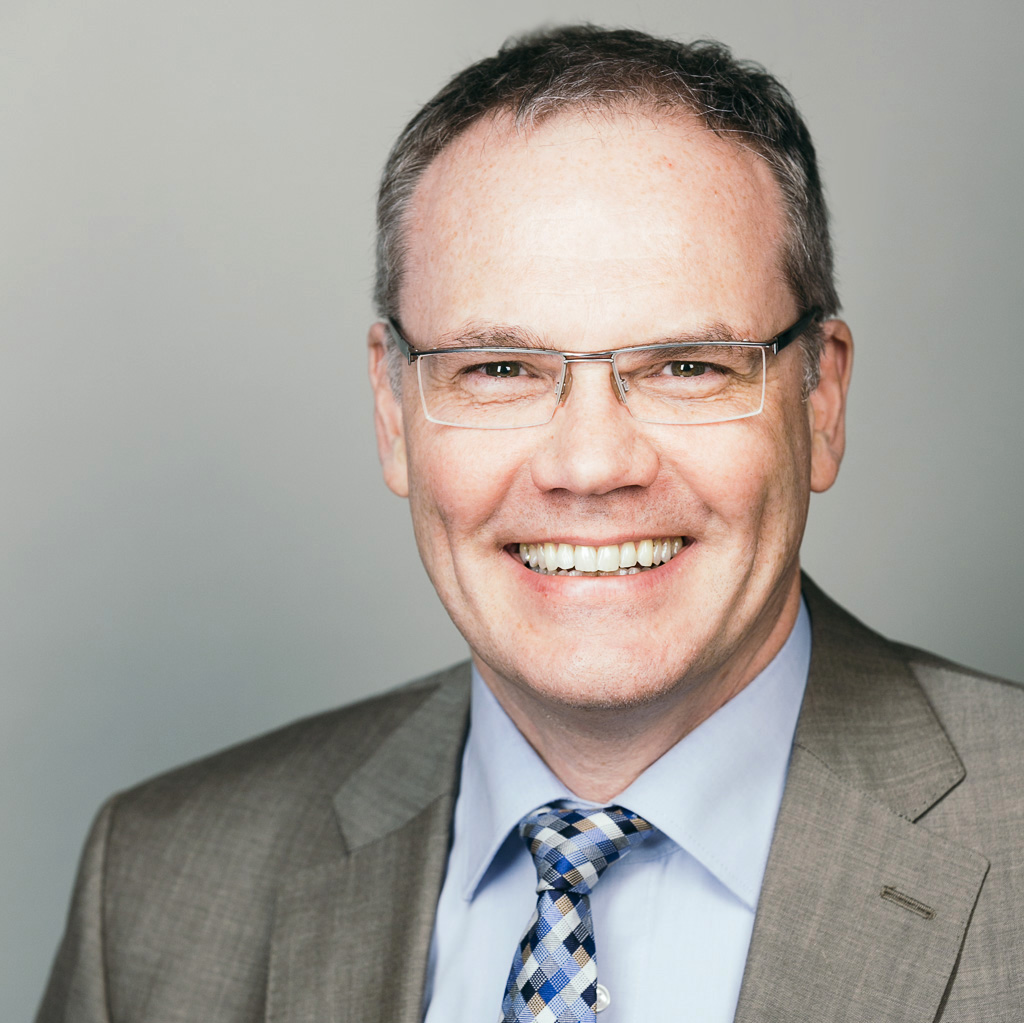
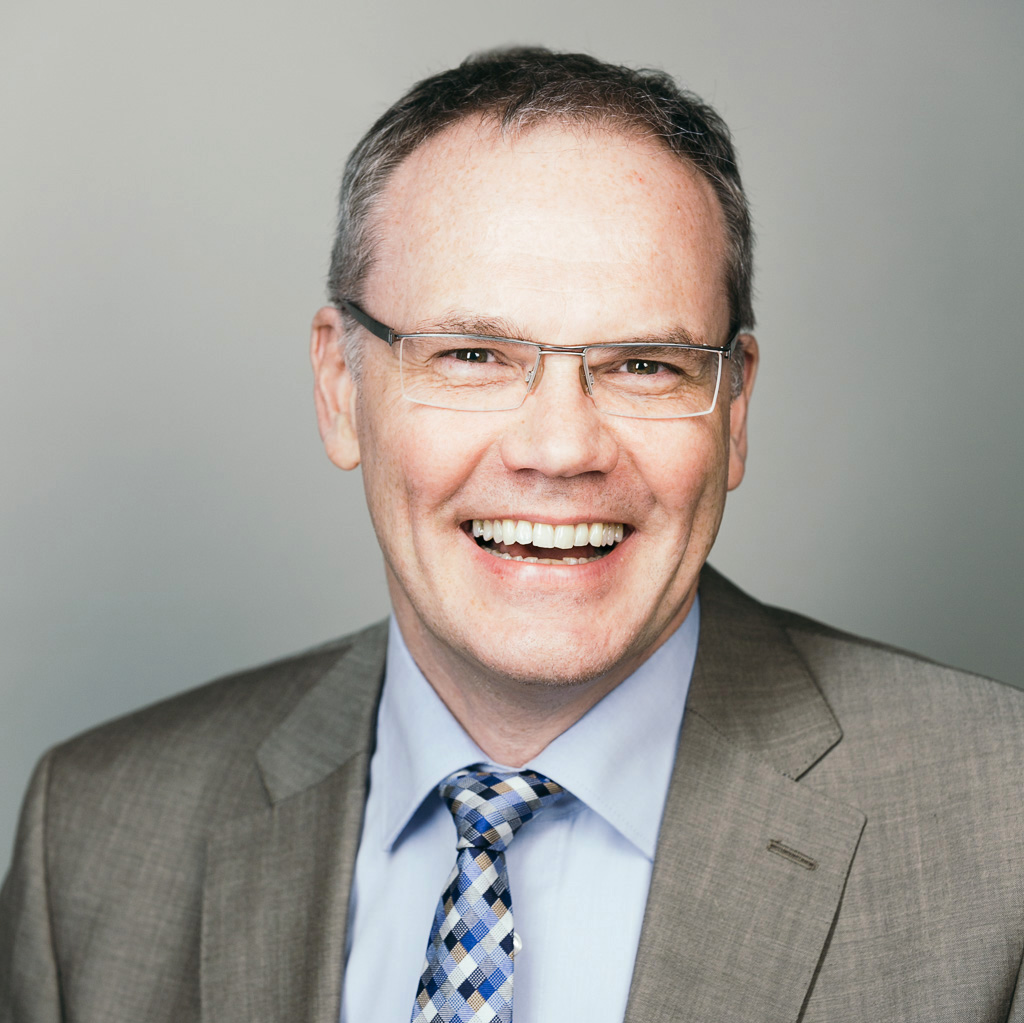
Feel free to download an official picture here:
Location
Location:
I live in Germany in a small but very old town called Ladenburg, near Heidelberg.
How to find me
By Car:
Approach the Autobahn A5 to exit Ladenburg.
Take the first exit from this road to “Ladenburg-Ost”, “Ladenburg-Altstadt”.
Right after the yellow city sign of Ladenburg take the second right into the street called “Neue Anlage”.
The house has number 19.
By Train:
Main Station Mannheim, about 10 Minutes by Taxi.
Main Station Heidelberg, about 20 Minutes by Taxi.
About
About
This page is the personal private web site of Stefan Ried.
All content is subject of personal opinion and does not reflect any company or corporate statement.
Contact
Dr. Stefan Ried
Neue Anlage 19
68526 Ladenburg, Germany
Tel: +49 176 4328 2951
Briefing Request: Self Scheduling
mail @ stefan – ried.de (remove blanks)
Stefan Ried, 2017